Shop with Confidence
100% authentic thrifted travel gear. Every item is original, quality checked, and ready for your next adventure.
100% authentic thrifted travel gear. Every item is original, quality checked, and ready for your next adventure.
This article explores Why Buying Pre Loved Branded Bags is a Smart Choice in detail, providing valuable information for readers.
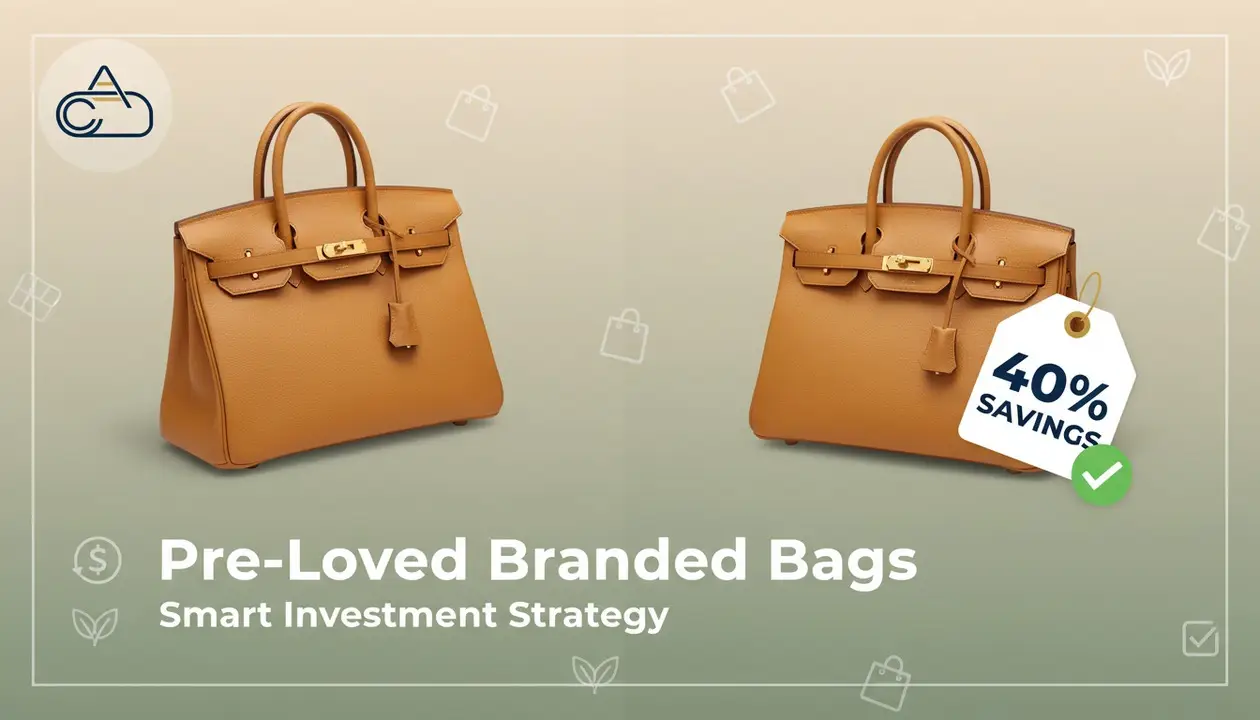
I used to think buying pre-loved bags meant settling for someone else's leftovers. Boy, was I wrong.
The global resale market just hit $360 billion and it's growing like crazy. When I started researching sustainable fashion in Pakistan, I discovered something surprising – buying preloved bags isn't just about saving money anymore. It's actually become one of the smartest financial moves you can make.
Look, I get it. You want that brand new bag smell and the perfect packaging. But hear me out – I've bought both retail and pre-loved branded bags, and honestly? The benefits of thrift shopping completely changed how I think about luxury purchases.
So here's the deal with luxury bag pricing. A brand new Hermès Birkin costs around $10,000 if you can even get your hands on one. But that same bag? You can find it pre-loved for about $8,000-$12,000 depending on condition.
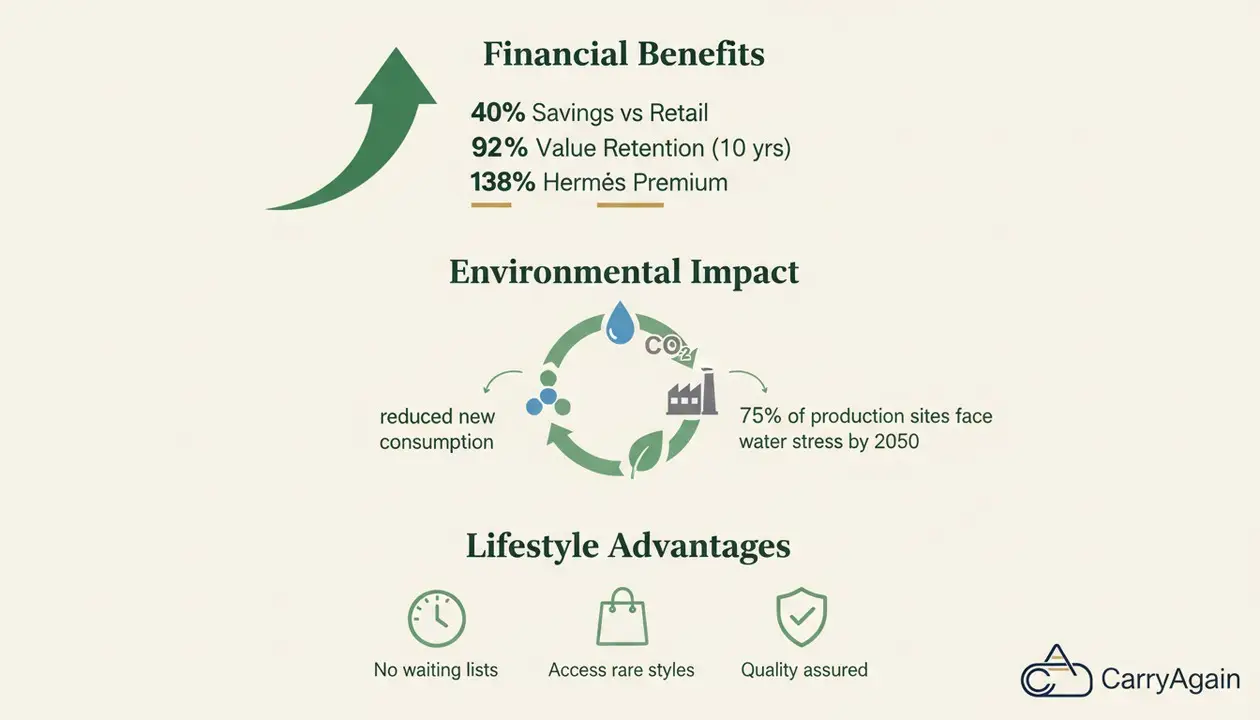
I know what you're thinking – "that's still expensive!" And you're right. But consider this: Hermès bags actually retain 138% of their value on average. That's better than most investments I've made (don't even get me started on my crypto losses).
When Louis Vuitton raises their prices every year – and trust me, they do – your pre-loved bag's value goes up too. It's like buying a stock that's already proven it won't tank.
Quick math breakdown:
That $2,300 could cover your rent for two months. Or a semester of textbooks. Just saying.
But the real kicker? Goyard bags are hitting 120%+ value retention rates. I wish I'd known this when I was in college spending money on fast fashion that literally fell apart after three months.
Want to know the dirtiest secret about buying new luxury bags? Hermès literally limits you to two "quota bags" per year. And that's only if you're already spending thousands on their scarves and perfume.
I remember walking into an Hermès boutique in Karachi last year. The sales associate basically laughed when I asked about a Kelly bag. "Six month waiting list, minimum. And you need purchase history."
Pre-loved shopping completely bypasses this nonsense. You get immediate access to bags that would otherwise require months of relationship-building with sales associates who might not even like you.
Plus – and this is huge – you can find discontinued colors and limited editions that simply don't exist in stores anymore. I found a vintage Dior Saddle bag in the most gorgeous burgundy shade that they stopped making in 2019. No waiting, no begging, just straight purchase.
I'll be honest – I didn't care much about environmental impact when I started buying preloved bags. But once I learned the numbers, it kinda hit different.
The textile industry is pretty much destroying our water supply. By 2050, about 75% of fashion production sites will face serious water stress. Pakistan supplies 15% of global modest fashion materials, and our textile workers are dealing with hazardous conditions that most people never think about.
When you buy preloved, you're basically giving that bag a second life instead of demanding a new one gets made. Less water waste, fewer chemicals, less pressure on workers in textile hubs across Pakistan and India.
Gen Z Muslims are 1.5 times more likely to buy from sustainable sources compared to older generations. And honestly? It feels good knowing your purchase isn't contributing to environmental damage.
The quality thing surprised me most. Grade A pre-loved bags are basically indistinguishable from new ones. I've had friends examine my pre-loved Gucci and swear it was fresh from the boutique.
But even Grade B bags (with minor wear) often look better than some new bags after you've used them for a month. The leather's already broken in, it sits better, and you don't stress about that first scratch because it's already lived a little.
Not all bags are created equal in the resale game. I learned this the hard way when I bought a trendy bag that lost 60% of its value within six months.
Hermès dominates value retention. Their Kelly Mini II is hitting 282% of original retail value – that's insane. Even basic Birkins maintain 122% value retention, which beats most traditional investments.
The Row is another sleeper hit. Their N/S Park Tote maintains 146% value retention and it's actually attainable unlike Hermès quota bags.
Avoid anything that was a social media trend. Those Marc Jacobs camera bags everyone obsessed over in 2020? Yeah, they're selling for 30% of retail now. Trendy stuff crashes hard.
Step one: I spend about two weeks just browsing. Vestiaire Collective, Rebag, TheRealReal – I compare prices and condition grades obsessively.
Authentication matters. I only buy from platforms with money-back authenticity guarantees. Vestiaire Collective's authentication team caught a fake Bottega Veneta that would've fooled me completely.
Timing is everything. Heritage bag revivals create price spikes. Balenciaga's Le City Bag saw 1,000% search increase last year, which means prices jumped too. I set price alerts and wait for the hype to die down.
For condition grades, I'm strategic:
The mistake I see people make? They buy impulsively. Take time. Research. Compare. A good pre-loved bag will still be good next week.
Look, when you're juggling classes and part-time work, dropping $5,000 on a new bag is unrealistic. But $2,000 on a pre-loved piece that holds 90% of its value? That's manageable.
I started with one versatile black bag that worked for both classes and internships. Eventually resold it for $1,800 when my style changed. Tried that with a Zara bag once – got maybe $30 back.
Several friends have built entire collections through strategic pre-loved shopping. They buy, enjoy, resell, reinvest. It's like having a luxury bag library where you eventually get most of your money back.
The professional advantage is real. Carrying a quality bag signals competence in client meetings. Whether that's fair or not doesn't matter – perception affects opportunities.
"People will know it's pre-loved" – No, they won't. Unless you tell them, nobody knows how you acquired your bag. A pristine pre-loved Hermès looks identical to a retail one.
"What if it doesn't match my style?" – That's actually the benefit. You can experiment with different brands and styles without committing retail prices. Don't like it? Resell it. You'll recover most of your investment.
"The savings aren't that significant" – 20-30% savings on a $10,000 bag equals $2,000-$3,000. That's semester tuition for many students. Real money that could fund better things than packaging.
The resale market grows 10% annually because younger generations understand value differently. We want quality without waste, luxury without guilt, smart purchases without status games.
Why buy preloved bags? Because it makes financial sense, environmental sense, and practical sense. The luxury industry built their business on artificial scarcity and inflated pricing. Pre-loved shopping lets you access the same quality while skipping their games.
Major brands are launching their own resale platforms because they know this trend isn't going anywhere. By choosing pre-loved, you're ahead of the curve, not behind it.
Your next move? Start browsing, start comparing, start learning what holds value. The benefits of thrift shopping extend way beyond just handbags – it's a completely different approach to consumption that actually works.
Ready to explore sustainable fashion in Pakistan? Check our current selection or reach out if you have questions about authentication and condition grades. This shift toward smarter luxury consumption is just getting started.


[…] stylish options without breaking the bank—leading many to explore alternative markets like buying pre-loved branded bags for sustainable daily use. But behind the scenes, high-tech production lines are utilizing […]